Latest updates from L.E.A.F-Wrexham.
com
Discover our newest animal facts, incredible rescue stories, and how your support is making a real difference. Join us on our journey to save animals and explore our latest contributions to wildlife conservation in Wrexham, United Kingdom, and beyond.
Every Friday there will be a new post. The post will include a picture of an animal and cool facts about it.(scroll down to find new post)
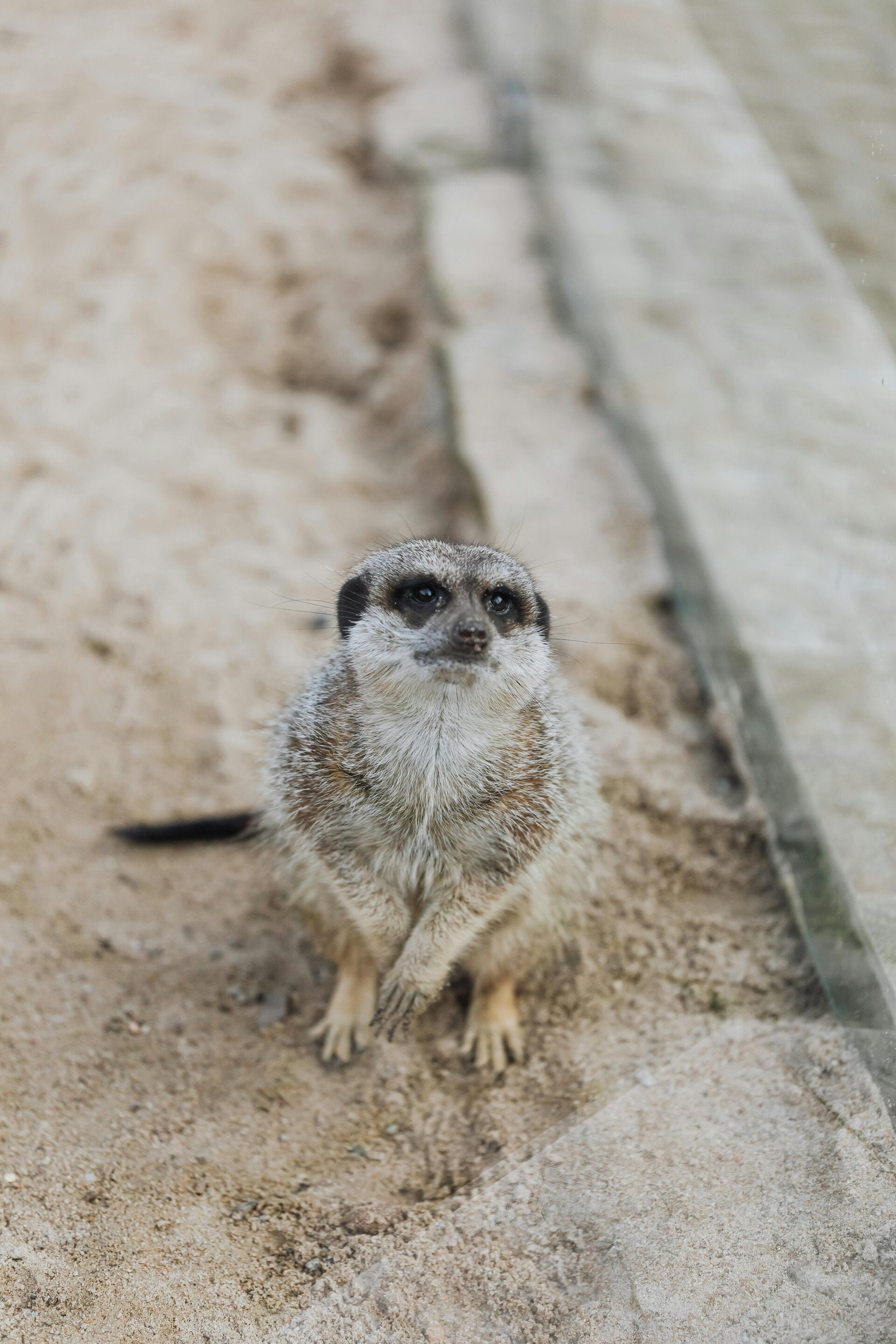
Dive into new animal facts
From the smallest insects to the largest mammals, our world is teeming with incredible creatures. Explore our latest collection of captivating animal photos and fascinating facts that will deepen your appreciation for wildlife. Learn something new about the wonders of the animal kingdom with each update.
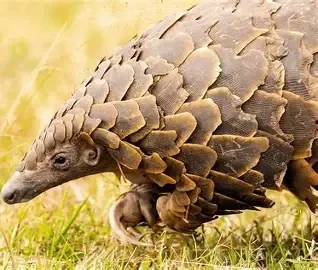
Our amazing rescue adventures
Join us as we recount heartwarming stories of animal rescues, incredible discoveries, and the challenges we overcome to protect our planet's precious wildlife. Every life saved is a step towards a healthier ecosystem. Get excited about helping animals by seeing the direct impact of our work.
Growing together for a cause
L.E.A.F-Wrexham.com is constantly evolving! Discover how our mission is expanding, the impact of your generous contributions, and explore new products in our shop that directly support our vital work to save animals and raise crucial funds.
"Every purchase and donation helps us make a tangible difference in the lives of animals."
The L.E.A.F-Wrexham.com Team
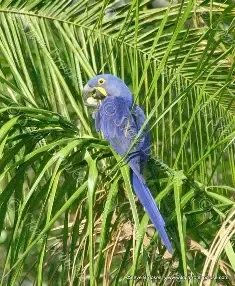
Hyacinth macaws
- Largest flying parrot: The
- Hyacinth macaw is the
- largest flying parrot species, with a total length of about one meter.
- Habitat: They are found in
- central and eastern South
- America,
- inhabiting areas like the Pantanal, Cerrado, and the
- eastern
- Amazon Basin.
- Diet: Their diet consists
- mainly of nuts from specific palm
- species, such as acuri and
- bocaiuva palms, and a
- variety of
- seeds and tree fruits.
- Social behavior: Hyacinth macaws are very social birds, often
- forming groups of up to 4 birds or larger groups of 12 to 20
- birds.
- Breeding: They are monogamous and typically remain with one partner for life. They produce one brood per season and breed after the rainy season, which is July to December.
- Conservation status: The species is classified as Vulnerable on the International Union for Conservation of Nature's Red List
- and is protected by CITES.